Choosing the right wet pump is not a simple matter of comparing flow rates and prices. Global buyers must match the pump with the actual working environment. Fluid type, temperature, viscosity, pressure, and operating hours all affect performance. A pump moving clean water may fail quickly when handling abrasive slurry or chemically active liquid.
Experience matters here. Inspect the application closely. Is the pump installed indoors or beside a dusty processing line? Will it run for ten minutes, or every hour of every day? A clear specification sheet helps, but it cannot replace practical site information. Small details, such as a narrow suction pipe or frequent dry running, can create expensive problems.
Material selection deserves careful attention. Stainless steel, cast iron, engineered plastics, and coated components each suit different duties. Buyers should also review seal design, motor efficiency, maintenance access, spare parts, and noise levels. Reliable suppliers can provide test records, installation guidance, traceable product information, and responsive technical support. Certifications should be checked against the destination market and the intended application.
No selection method is flawless. A pump that performs well in a factory trial may behave differently after shipping, installation, or seasonal temperature changes. That uncertainty should be discussed openly. Ask for operating limits, warranty terms, inspection procedures, and documented performance data. Avoid decisions based only on the lowest quotation. A dependable wet pump should deliver stable service, predictable maintenance, and safe operation across its expected working life. Careful evaluation protects budgets and reduces avoidable downtime for buyers worldwide.
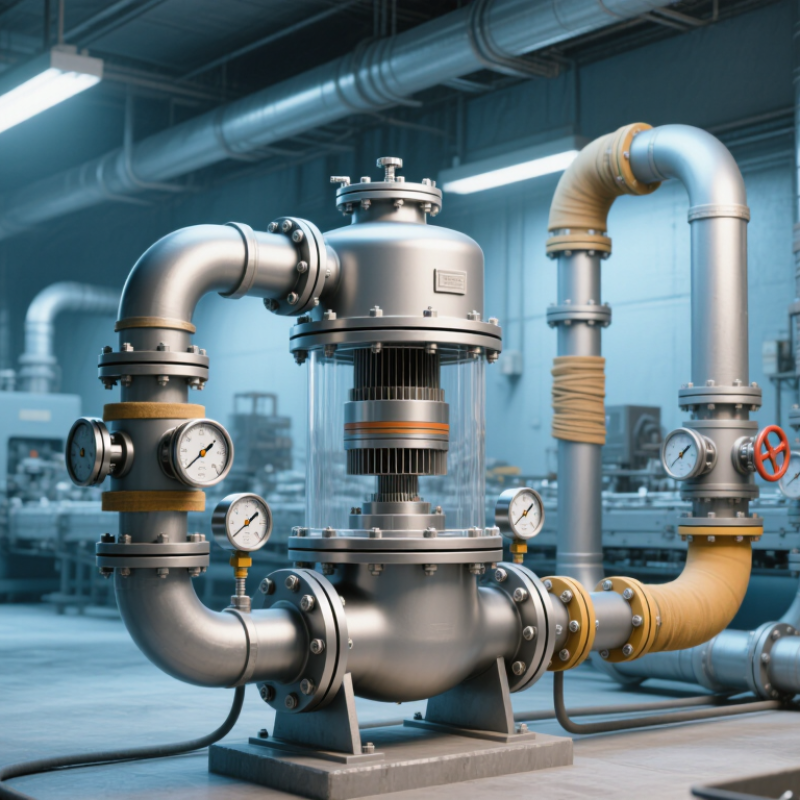
A wet pump is designed to move liquid while its wetted parts contact the pumped medium. In many industrial settings, the term describes a centrifugal pump, drainage pump, or slurry pump. However, its meaning can vary by industry. Some suppliers also use “wet pump” for a wet-rotor circulation pump, where the motor rotor operates inside the system fluid. Buyers should confirm the exact definition before comparing quotations.
Wet pumps are common wherever liquids must be transferred, circulated, or removed. Construction sites use them to drain foundation pits and flooded work areas. Farms use them for irrigation, livestock water systems, and liquid fertiliser handling.
Factories may use them for cooling water, process fluids, or wastewater. Municipal facilities often rely on larger units for sewage lifting and stormwater control. The liquid’s temperature, solids content, acidity, and flow rate affect material selection.
Details matter. A pump handling clear water may use stainless steel or cast iron components. Abrasive sand or sludge requires stronger wear protection and a suitable impeller design.
Check the motor voltage, frequency, inlet size, discharge head, and local service support. A field technician should also inspect cable sealing and installation depth. Small mistakes become expensive quickly. A neat definition is useful, but it is not universal. Product drawings, test data, and operating conditions should support every purchase decision.
Global buyers should compare a wet pump at its real duty point, not its maximum rating. Required flow, total head, liquid temperature, viscosity, and solids content determine practical performance. A pump delivering 100 m³/h at 40 metres may perform poorly if the system normally requires 65 metres. The duty point matters.
Energy deserves close attention. The International Energy Agency reported that motor-driven systems consumed about 53% of global electricity use in its Energy Efficiency Market Report. The U.S. Department of Energy also identifies pumping systems as major industrial electricity users, often representing 20–25% of site consumption. Compare hydraulic efficiency, motor efficiency, variable-speed control, and part-load behavior. A lower purchase price can become expensive after several years.
Check NPSH available against NPSH required, with a sensible operating margin. Cavitation can sound like gravel inside the casing. Review wear resistance, shaft sealing, corrosion protection, and maintenance access for the actual liquid. International buyers should verify electrical frequency, voltage, testing records, and applicable safety requirements. ISO 9906 performance testing can improve comparison reliability, although test conditions may not match field conditions. That gap needs honest review. Lifecycle cost should include energy, spares, downtime, installation, and disposal. I would not trust a single efficiency number without its flow, head, and measurement uncertainty.
Selecting a wet pump starts with the liquid, not the flow rate. Buyers should record pH, temperature, solids, chloride levels, and viscosity. Small details matter. A mildly acidic liquid can attack ordinary cast iron over time. Stainless steel handles many clean liquids, but chloride-rich water may cause pitting. That failure can appear suddenly.
Abrasive slurries need hardened metal or suitable ceramic-lined wet-end parts. Soft materials may wear around the impeller, casing, and suction eye. For corrosive chemicals, engineers often compare alloy options, reinforced plastics, or elastomers. Material compatibility charts are useful, but they are not final answers. Concentration and temperature can change chemical resistance dramatically. Check the seal material too. A compatible casing cannot prevent leakage through a poor seal.
Operating conditions also shape the material choice. High temperature can harden or soften elastomers. High viscosity may increase load and reduce actual flow. In field assessments, buyers often provide normal conditions but overlook cleaning cycles. That is a costly gap. Ask for peak temperature, dry-run risk, startup frequency, and unexpected contamination. Request test data from the pump supplier, including wear results and chemical exposure limits. I would also leave a safety margin, though excessive margins increase cost and reduce efficiency. The practical choice balances service life, maintenance access, and the consequences of failure. Recheck the decision after real operating data becomes available.
| Operating Condition | Typical Liquid or Service | Recommended Wetted Material | Typical Usable Range or Guidance | Main Advantages | Important Limitations |
|---|---|---|---|---|---|
| Neutral water with low chloride content | Cooling water, clean process water, utility water | 316L stainless steel; coated carbon steel for less demanding service | Approximately pH 6–9; chloride level and temperature must be checked | Good general corrosion resistance and mechanical strength | 316L can suffer pitting or crevice corrosion in warm, high-chloride water |
| Seawater or high-chloride water | Desalination intake, marine cooling, brine transfer | Duplex stainless steel, super duplex stainless steel, titanium, or suitable non-metallic lining | Material selection depends on chloride concentration, oxygen content, velocity, and temperature | Higher resistance to chloride stress corrosion cracking and pitting than standard stainless steel | Higher cost; welding, fabrication, and galvanic compatibility require specialist review |
| Dilute mineral acids | Dilute sulfuric, hydrochloric, or phosphoric acid solutions | PVDF, PTFE-lined construction, or corrosion-resistant nickel alloy where required | Concentration and temperature must be specified; compatibility can change sharply with either factor | Excellent resistance for many chemical services when correctly selected | Some plastics lose strength at elevated temperature; liners require careful inspection and support |
| Alkaline or caustic solutions | Sodium hydroxide cleaning solutions, alkaline process liquids | 316L stainless steel for moderate conditions; nickel alloys or compatible plastics for severe conditions | Confirm caustic concentration, temperature, and presence of chlorides or oxidizers | Metallic options provide good structural strength; plastics can offer strong chemical resistance | Hot concentrated caustic can cause stress corrosion or material degradation in unsuitable alloys |
| Oxidizing chemicals | Hypochlorite, peroxide, chlorine-containing process fluids | PVDF, PTFE, or specifically approved corrosion-resistant materials | Check oxidizer concentration, temperature, UV exposure, and seal compatibility | Non-metallic materials can avoid rapid attack on ordinary steels | Certain elastomers, metals, and organic contaminants may be unsuitable; do not generalize by chemical name alone |
| Abrasive slurry | Mineral slurry, sand-bearing wastewater, ash or solids-laden process liquid | High-chrome white iron, hardened alloy components, rubber lining, or ceramic wear parts | Selection depends on particle size, hardness, concentration, velocity, and pump speed | Improved resistance to erosive wear when the material matches the solids profile | Hard materials may be brittle; rubber may swell or wear quickly with sharp particles or high temperature |
| Fine solids with chemical corrosion | Acidic wastewater, electroplating effluent, chemically contaminated sludge | Duplex stainless steel, alloy-lined construction, or engineered polymer construction | Evaluate corrosion and abrasion together; one resistance property does not guarantee the other | Can provide a balanced solution for mixed corrosion-and-wear duty | May require compromises in hardness, toughness, chemical resistance, and total cost |
| Hot process liquid | Heated water, hot chemicals, thermal process fluids | 316L, duplex stainless steel, nickel alloy, or high-temperature-rated polymer | Confirm maximum continuous temperature, thermal cycling, vapor pressure, and seal rating | Metallic materials generally retain better mechanical strength at elevated temperature | Temperature can reduce plastic strength, accelerate corrosion, and increase cavitation risk |
| Low-temperature or freezing service | Chilled water, glycol mixtures, cold chemical solutions | 316L stainless steel or low-temperature-rated carbon steel; compatible elastomers required | Check impact toughness, viscosity, freezing point, and seal flexibility | Suitable metals maintain structural integrity when specified for the minimum temperature | Some plastics and elastomers become brittle or lose elasticity at low temperature |
| Food, pharmaceutical, or hygienic service | Product water, liquid ingredients, cleaning-in-place solutions | Sanitary 316L stainless steel with suitable surface finish and approved elastomers | Specify cleanability, surface roughness, drainage, sterilization temperature, and regulatory requirements | Smooth, cleanable surfaces reduce product retention and contamination risk | Standard industrial castings may contain rough areas or dead legs unsuitable for hygienic duty |
| Flammable or volatile liquid | Solvents, hydrocarbons, and low-flash-point process liquids | Material compatible with the liquid, with a pump design suitable for hazardous-area requirements | Assess vapor pressure, seal leakage, static electricity, temperature, and applicable electrical standards | Correct material and sealing arrangement can reduce leakage and ignition risks | Material selection alone is insufficient; grounding, motor protection, containment, and certification may be required |
International wet pump purchases require more than checking flow rate and motor power. The destination country defines many compliance obligations. A pump for clean water may need different evidence from one handling chemicals or wastewater. Confirm the fluid, temperature, pressure, installation area, and voltage before requesting quotations.
For European shipments, check applicable CE requirements, including electrical safety and electromagnetic compatibility. The supplier should provide a Declaration of Conformity and relevant test reports. IEC 60529 may verify the enclosure’s IP rating, especially for outdoor or damp installations. Pumps used near explosive atmospheres may require ATEX assessment. Do not request it automatically. It applies only to defined hazardous zones.
Other markets may request national certification, local electrical approval, or efficiency documentation. Potable-water applications can require materials certification under recognized drinking-water standards. RoHS evidence may also matter when electrical components are imported. ISO 9001 supports confidence in production controls, but it does not certify the pump itself. That distinction is often missed.
Ask for serial-number traceability, wiring diagrams, material lists, and maintenance instructions. Verify that certificates match the exact model and configuration. A certificate for a similar pump is not enough. In practice, buyers sometimes focus on the logo and overlook test conditions. That can create expensive delays. Request samples of documents early. Some requirements remain unclear until a customs broker or local authority reviews the shipment. Reference numbers can also be copied incorrectly. Check them twice.
Choosing a wet pump supplier requires more than comparing catalog prices. Ask for performance curves, material specifications, factory test records, and references from similar projects. A reliable supplier should explain head, flow rate, solids handling, power consumption, and expected service life in clear language. Vague answers deserve caution.
Request a complete cost breakdown. Include the pump, motor, control panel, shipping, installation tools, spare parts, duties, and maintenance labor. Energy use also matters. A cheaper pump may consume more electricity every operating hour. Check whether quoted capacity reflects real working conditions, not only laboratory figures. One low quote may look attractive. It can hide weak seals or limited spare-part availability.
After-sales support should be measurable. Confirm warranty coverage, response times, troubleshooting procedures, and the availability of trained technicians. Ask whether the supplier can provide remote diagnosis through photos, operating data, or video calls. For critical sites, keep recommended seals, bearings, and impellers locally. Test this support before ordering by sending technical questions and observing the reply quality. Some suppliers answer quickly during sales but slowly after delivery. That gap is easy to miss. A written service agreement, multilingual manuals, installation guidance, and documented maintenance intervals can reduce costly downtime for international buyers.
Buyer evaluation framework: supplier capability, total cost, and after-sales support.
This transparent 100-point scorecard prioritizes measurable procurement factors. Buyers should verify pump efficiency, wetted-material compatibility, five-year total cost of ownership, delivery reliability, warranty terms, spare-parts availability, and technical response time before placing an order.
We are here to help you with all your queries and concerns, just write to us using the below form and we will get back to you as soon as we can.