7 Crude Pump Buying Tips for Global Buyers

Choosing a crude pump is not simply a matter of matching a price to a flow rate. Crude oil can vary in viscosity, temperature, and solids content, and those differences affect pump selection and service life. A model that performs well at one site may struggle at another. Details matter.

For global buyers, the decision also involves practical questions: required flow and discharge pressure, materials compatible with the fluid, available power, installation space, and maintenance support. Ask suppliers for performance curves and clear operating limits. Check whether quoted figures reflect your actual conditions, rather than an ideal test setup. Request references for comparable applications, and confirm which parts and technical assistance are realistically available in your region.

These seven buying tips are intended to help procurement teams compare options with greater care, from defining operating requirements to reviewing supplier capability and lifecycle costs. A low initial quote can look attractive, yet frequent repairs or long delivery times may change the calculation. Even experienced teams can overlook an assumption, especially when specifications pass between several offices. Revisit the numbers before placing an order. No checklist removes every uncertainty, but a documented review makes gaps easier to spot. Use the guidance as a starting point, then have qualified engineering and procurement staff verify the final selection against site conditions and applicable requirements.

7 Crude Pump Buying Tips for Global Buyers

Understand Crude Oil Properties and Pumping Requirements

Crude oil is not a single, stable fluid. Its density, viscosity, vapor pressure, and solids content can vary by source and season. Ask for recent assay data, not just an API gravity figure. Viscosity at the actual suction temperature matters; a cold morning start may differ sharply from steady operation. Watch for wax, asphaltenes, water, and sand. Even small amounts can affect wear, clogging risk, and maintenance intervals. A tidy sample can mislead.

Match the pump to the full operating range, including flow, pressure, temperature, and startup conditions. For thick crude, positive-displacement options may be worth evaluating, but check solids tolerance and pressure protection. Estimate piping losses and confirm motor torque during startup. Compare available suction pressure with the pump’s NPSH requirement, especially when vapor pressure is high. Specify seal and elastomer materials for the fluid chemistry and temperature range. Ask suppliers to explain the assumptions behind performance curves. If crude composition changes, one duty point may not be enough. A little margin helps, but excessive oversizing can also create operating problems. Review expected fluid variations and pump data with a qualified engineer before choosing a model.
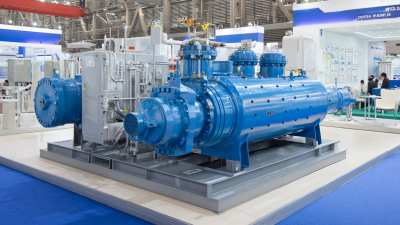

Select a Pump Type and Capacity for the Intended Duty

Define the actual duty before comparing pump types. Record required flow, total head, crude temperature, density, viscosity, and expected changes in composition. A centrifugal pump often suits steady, higher-flow service, while a rotary positive-displacement pump may better handle viscous crude or controlled flow. Check the limits: neither choice works well outside its operating range. API 610 covers centrifugal pumps for petroleum, petrochemical, and natural-gas industries; API 676 addresses rotary positive-displacement pumps.

Size for the real operating range, not just one convenient design point. Ask suppliers to review start-up conditions, minimum flow, suction pressure, and net positive suction head. Cold crude can become much more viscous, raising required power and suction losses. Small details matter. The U.S. Department of Energy’s Improving Pumping System Performance guide reports that pumping systems use nearly 20% of global electricity demand. That figure makes efficiency worth checking, not guessing. Compare predicted performance at normal and off-design conditions, and avoid adding capacity “just in case.” Oversizing can increase energy use and create unstable operation. A neat spreadsheet is helpful, but field conditions are rarely that neat.

Check Pressure, Materials, Efficiency, and Safety Features

Pressure is more than a number on a pump label. Compare the pump’s rated pressure with your system’s normal operating range and possible start-up surges. Ask for a performance curve at the flow rate you actually need. A unit that looks adequate at low resistance may struggle through a long pipeline. Check the inlet conditions, too. Restricted suction can cause vibration, noise, and premature wear. Small details matter.

Crude oil varies in viscosity, temperature, and composition, so confirm that wetted parts suit the fluid you expect to handle. Check the casing, impeller, shaft, and seal materials against operating conditions. A seal that works with warm, light crude may not last with a colder, thicker feed. Request material specifications, not just a general claim of corrosion resistance. Paperwork helps. It is not the whole story.

Efficiency should be judged at your working duty point, rather than by a single peak figure. Compare expected power use with flow and pressure, and consider whether speed control could match changing demand. For safety, look for suitable pressure relief, leak containment, guards around rotating parts, and clear emergency-stop access. Verify how the pump will be installed and maintained at your site. A feature list can look reassuring; access for inspection may still be awkward. That deserves a second look.

Verify Supplier Quality, Service, and Total Ownership Costs

A crude pump may look suitable on a datasheet, yet the supplier’s quality controls matter just as much. Ask for material certificates, inspection records, and test results for the proposed pump configuration. Paper is not proof. Check that the documents match the actual wetted parts, seal arrangement, and operating range. If possible, request a sample inspection or a witnessed performance test. A clear answer about test limits is more useful than a broad claim of “high quality.”

Service support becomes critical when a pump is far from the supplier’s workshop. Confirm who will help with commissioning, troubleshooting, and spare-parts identification. Ask for response times and the availability of seal kits, bearings, and wear components. Small leaks matter. A supplier should explain maintenance intervals and provide practical instructions, not just a polished manual. Still, a detailed service promise is only useful if the named support team can deliver it.

Compare total ownership costs, not just purchase prices. Include installation, energy use, routine maintenance, replacement parts, and likely downtime over the expected service life. Request assumptions behind any efficiency or lifespan estimate. It is easy to overvalue a low initial quote; I would check the cost model twice, especially when operating hours are high. Even a small difference in power consumption can add up across continuous operation. Ask which costs are estimates, and which are supported by test data or service records.

Confirm Testing, Documentation, Shipping, and Installation Needs

A crude pump should be tested against the duty it will actually face. Confirm the required flow, discharge pressure, fluid temperature, viscosity, and expected solids. Ask whether the factory test uses water or another fluid, and how results are interpreted. Agree on acceptance limits for vibration, leakage, and performance before production begins. Details matter. A test certificate is useful only when its measured values match the agreed criteria.

Request the data sheet, certified drawings, material records, operating manual, and recommended spare-parts list. Check that model numbers and materials match across every document; small mismatches can delay installation. Confirm shipping dimensions, gross weight, lifting points, and preservation method. For long sea journeys, ask how exposed metal surfaces and openings will be protected. It is easy to overlook packaging until the equipment arrives wet or damaged.

Installation planning should start before dispatch. Verify foundation dimensions, anchor-bolt locations, electrical supply, and available lifting equipment. The suction and discharge piping must not force the pump out of alignment. Allow room for maintenance and seal replacement. During commissioning, record alignment, rotation, pressure, flow, and vibration readings. Keep these as a baseline for future checks. One practical caveat: site conditions rarely match drawings perfectly, so leave room to adjust supports and access.

7 Crude Pump Buying Tips for Global Buyers - Confirm Testing, Documentation, Shipping, and Installation Needs
# Buying Tip What to Confirm Documents or Evidence to Request Practical Buyer Action
1 Define the operating conditions Specify flow rate, differential head or discharge pressure, crude density and viscosity, temperature, vapor pressure, solids content, and operating range. Include normal, minimum, and maximum conditions. Completed pump datasheet; process conditions; preliminary system curve, if available. Have the process engineer confirm the duty point and operating cases before requesting a quotation. Pump selection depends on the actual fluid and system, not capacity alone.
2 Check materials and seal suitability Confirm wetted materials, casing and impeller materials, shaft material, elastomer compatibility, corrosion allowance where required, and seal arrangement for the crude and operating temperature. Material specifications; seal data sheet; material certificates when specified in the purchase order. Provide the fluid composition and any known contaminants, such as water, chlorides, or abrasive solids. Obtain engineering approval for material and seal selections.
3 Agree on applicable standards Identify the project’s required design and test standards. API 610 may apply to centrifugal pumps in petroleum, petrochemical, and natural gas industries; ISO 9906 covers hydraulic performance acceptance tests for rotodynamic pumps. Purchase specification; list of applicable standards and editions; written deviations or exceptions. State the required standard and edition in the inquiry. Confirm scope with the project engineer, since standards are not automatically applicable to every pump or service.
4 Confirm performance testing and inspection Agree on the test type, acceptance criteria, test fluid, rated test points, allowable tolerances, witness or hold points, and whether vibration or other checks are required by the specification. Approved inspection and test plan; certified performance test report; inspection records and calibration details as required by the contract. Set test and inspection requirements before order placement. If a witnessed test is needed, agree on notice periods, attendance arrangements, and responsibility for related costs.
5 Review documentation and traceability Confirm the document list, language, format, approval schedule, nameplate details, and required traceability for pressure-retaining and wetted parts. General arrangement drawing; certified pump curve; operation and maintenance manual; parts list; material certificates such as EN 10204 type 3.1 when specified. Attach a document register to the purchase order and identify which documents require approval before manufacture, shipment, or commissioning.
6 Plan international shipping and preservation Confirm packed dimensions and weight, lifting points, export packing, moisture protection, corrosion preservation, shipping marks, delivery location, and the agreed Incoterms® 2020 rule and named place. Packing list; commercial invoice; certificate of origin when required; shipping instructions; preservation and storage instructions. Ask the freight forwarder or customs broker to verify import documentation and tariff classification for the destination. Confirm who arranges insurance, export clearance, and unloading under the chosen delivery term.
7 Prepare the installation and start-up plan Check foundation and baseplate requirements, piping loads, suction conditions, driver power and electrical supply, coupling alignment, lubrication, rotation direction, and access for maintenance. Approved general arrangement and foundation drawings; installation manual; alignment and commissioning checklists; recommended spare-parts list. Verify that available net positive suction head exceeds the pump’s required value with the project’s specified margin. Plan alignment checks, piping inspection, and controlled start-up with qualified personnel.

Our dedicated sales and support staff are here to help you identify the ideal pump solution for your needs.

Contact Us