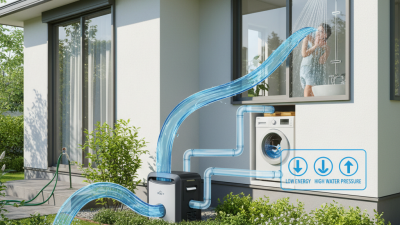
Top Water Pump Technology Solutions for Global Buyers?

The world of water pump technology is evolving rapidly. Today’s global market demands innovations that enhance efficiency and sustainability. Buyers must navigate an array of options, from submersible pumps to centrifugal systems. Each type offers unique features tailored to specific applications.

Understanding water pump technology requires insight and expertise. The best solutions address the diverse needs of industries such as agriculture, construction, and municipal services. Reliability and performance are crucial. As challenges like climate change arise, advanced water pump technologies play a vital role in efficient water management.

However, not every solution fits every situation. Buyers must reflect on their unique requirements and the limitations of available technologies. Balancing cost, efficiency, and environmental impact is essential. The search for the right water pump technology can be complex, yet it is necessary for sustainable progress. Engaging with experts and assessing various options will lead to better decision-making in this important area.
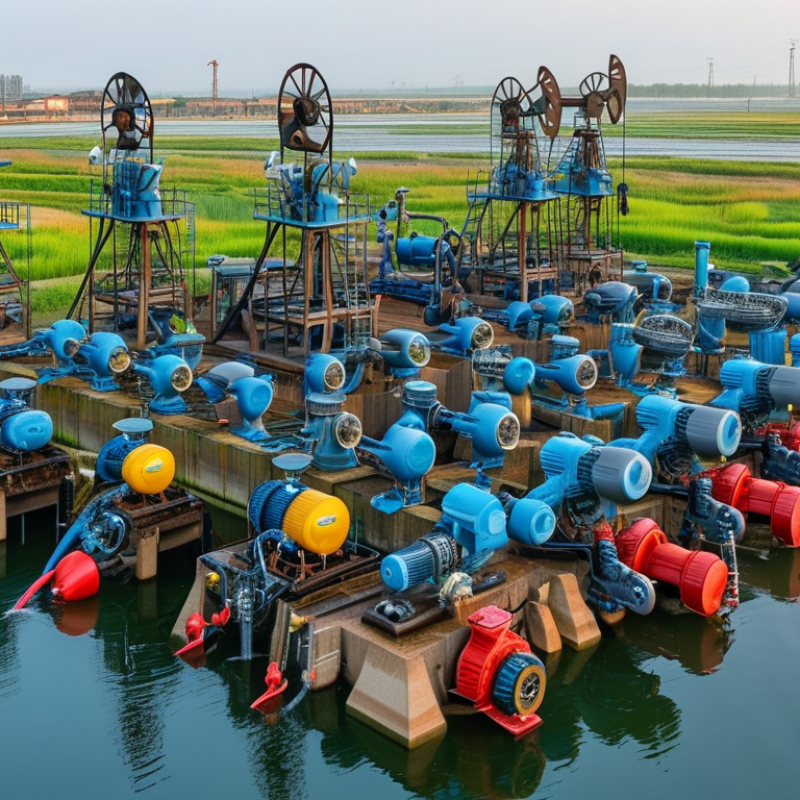
Top Water Pump Technology Solutions for Global Buyers?

Overview of Water Pump Technologies: Types and Applications

Water pumps play a crucial role in various industries. Their applications range from agricultural irrigation to municipal water supply systems. Understanding the different types of water pump technologies is essential for selecting the right solution. Centrifugal pumps are common due to their efficiency. They move water by converting rotational energy into kinetic energy.

Diaphragm pumps are another option. They are ideal for handling slurries or viscous fluids.

Submersible pumps are designed for underwater usage. These pumps can handle deep wells and are often used in mining. Positive displacement pumps are beneficial for applications requiring high pressure. They draw in fluid and force it out through a discharge opening. Each type has its strengths. However, choosing the wrong pump can lead to inefficiencies and increased costs.

In addition to technology, installation and maintenance are key considerations. Regular upkeep ensures longevity and reliability. However, users often overlook these aspects, leading to pump failure. It's essential to evaluate the specific needs of your application before making a decision. Seek professional advice when in doubt—it’s a smart approach. Each choice comes with its challenges, and recognizing them is the first step toward a more effective water management strategy.
Key Specifications to Consider When Selecting Water Pumps

Selecting the right water pump is crucial for efficiency and performance. Buyers should focus on key specifications, including flow rate, head pressure, and energy consumption. Understanding these metrics can lead to informed decisions. A pump's flow rate, measured in gallons or liters per minute, is a primary indicator of its capacity. This directly impacts how effectively it will meet your needs.

Head pressure is another vital specification. It determines how high the pump can lift water. This is essential for applications requiring significant vertical transport. If you underestimate this value, it could lead to performance issues. Energy consumption is equally critical. A pump that uses less energy can save costs in the long run. It's worth considering both initial costs and operational costs.

When evaluating options, don't just rely on specifications alone. Practical insights from users can be valuable. Look for feedback on real-world performance. Not every pump meets expectations, and sometimes numbers can be misleading. Remember, the best choice may not be the most obvious one. Reflecting on your specific needs can pave the way for a more satisfactory purchase.

Leading Water Pump Manufacturers and Their Innovations

Leading water pump manufacturers are redefining industry standards through innovative technologies. One significant trend is energy efficiency. Many companies are now producing pumps that consume less power. This helps reduce operational costs and environmental impact. Incorporating smart technology is also becoming common. These pumps can monitor performance in real time. They provide valuable data for better maintenance.

Another aspect worth noting is the focus on material advancements. New materials are making pumps more durable and resistant to corrosion. This is important, especially in harsh environments. Efficient designs, such as optimizing hydraulic components, are helping to improve flow rates while reducing energy usage. Some manufacturers are experimenting with 3D printing to create customized parts, enhancing performance even further.

However, not all innovations are flawless. The rapid pace of technology can lead to challenges. For instance, integrating smart features may require specific expertise. There is also a need for reliable support systems to manage these advanced pumps effectively. It’s crucial for manufacturers to listen to feedback from users. This helps them identify areas of improvement and ensures that their innovations truly meet market demands.

Top Water Pump Technology Solutions for Global Buyers

Category Feature Innovative Technology Efficiency Rating Market Availability
Submersible Pumps Compact design Inverter technology for variable speed 85% Global
Centrifugal Pumps High flow rates Efficiency enhancement processes 90% North America, Europe
Diaphragm Pumps Leak-free operation Smart control systems 80% Asia, Oceania
Positive Displacement Pumps Versatile application Automated flow control 88% South America, Africa

Sustainable Practices in Water Pump Technology

Sustainable practices in water pump technology have gained momentum recently. The global water pump market is expected to reach $90 billion by 2026, reflecting a growing demand for efficiency and sustainability. Efficient water pumps can reduce energy consumption by up to 30%, a critical factor as industries face increasing energy costs. Implementing smart technology in pump systems is a step toward achieving this efficiency.

Renewable energy sources are increasingly integrated into water pumping systems. Solar-powered water pumps, for instance, significantly reduce reliance on grid energy. Reports suggest that they can save up to 1,500 kWh annually compared to traditional pumps. However, challenges remain in regions with insufficient sunlight or during prolonged periods of cloudy weather.

Water scarcity is urging companies to rethink their practices. Nearly 1.2 billion people lack access to clean water. The industry must adapt by investing in innovative solutions. Water recycling systems and advanced filtration technologies are often overlooked yet crucial for sustainable management. These strategies not only minimize waste but also enhance water quality. The transition toward sustainable water pump technology is necessary, albeit challenging, and requires a collective effort from all stakeholders involved.

Top Water Pump Technology Solutions for Global Buyers

Future Trends in Water Pump Solutions for Global Markets

The global water pump market is evolving rapidly. Trends are driven by technological advancements and environmental concerns. Market reports indicate that the water pump industry is projected to reach USD 66 billion by 2027, showcasing a steady growth rate of 4.6% from 2022 to 2027. This growth favors both performance and sustainability.

Innovative solutions, such as IoT-enabled pumps, are gaining traction. Smart water management systems enhance efficiency and monitoring capabilities. Data suggests that implementing these technologies can reduce energy consumption by up to 30%. However, challenges remain. Many pump manufacturers struggle with integrating new technologies into their existing systems. This gap poses a risk, as companies may lose out on potential cost savings and efficiency gains.

Sustainability initiatives are also a major trend. Water scarcity pressures industries to adopt eco-friendly practices. Reports show that more than 40% of companies are investing in renewable resources to power their operations. Yet, there is a need for better regulations to support these initiatives. Without proper guidelines, the transition may slow down, hindering progress in global markets.

Our dedicated sales and support staff are here to help you identify the ideal pump solution for your needs.

Contact Us