7 Best Gear Pump Design Tips for Buyers

A gear pump can look simple on a catalog page: two meshing gears, a compact housing, and a rated flow. Real performance depends on details buyers can miss, including operating speed, fluid viscosity, pressure, clearances, and inlet conditions. The U.S. Department of Energy’s Improving Pumping System Performance: A Sourcebook for Industry stresses matching equipment to system demands and assessing performance across the operating range. That principle matters here. A pump selected only by its maximum flow may run noisily, wear quickly, or waste energy.

Anthony Esposito, author of Fluid Power with Applications, explains hydraulic components and systems through their practical operating requirements. In paraphrase, his lesson for buyers is clear: choose components as part of a system, not in isolation. The exact quotation matters, and I will not invent one. For gear pump design, that means checking the full duty cycle, fluid compatibility, mounting, drive power, and maintenance access before comparing prices. A cold start on a winter morning can expose a poor viscosity match; a cramped installation can turn routine seal service into a costly delay.

Small details matter. Some choices still involve trade-offs, and a catalog rarely tells the whole story. These seven design tips will help buyers ask sharper questions, compare specifications carefully, and identify a pump suited to the actual application—not just the sales sheet.
7 Best Gear Pump Design Tips for Buyers

Define the Pumping Requirements and Operating Conditions

Before comparing gear pump designs, write down the actual duty—not just the target flow. Record required flow, pressure difference, operating hours, and acceptable flow variation. A pump expected to deliver 20 liters per minute at startup may behave differently once cold oil thickens. Note the fluid’s minimum and maximum temperatures, viscosity range, and whether its properties change during operation.

Check inlet conditions carefully. Measure suction-line length and diameter, and account for filters, elbows, and tank level. Restriction at the inlet can cause noise, wear, or unstable delivery. Small details matter. Also identify whether the fluid contains particles, carries heat, or can attack wetted materials. These factors influence clearances, seals, and housing selection. Do not assume a fluid’s name tells the whole story; additives and contamination can change its behavior.

Finally, define the operating pattern: continuous duty, frequent starts, variable speed, or occasional peak pressure. Share realistic measurements with the pump supplier, including what happens during cold starts and shutdowns. A pressure reading taken only at steady state may miss the toughest condition. I have seen specifications omit that point, and it is an easy oversight. If conditions are uncertain, state the uncertainty and request a selection based on the full operating range, rather than a single ideal number.
Choose the Gear Pump Type and Configuration

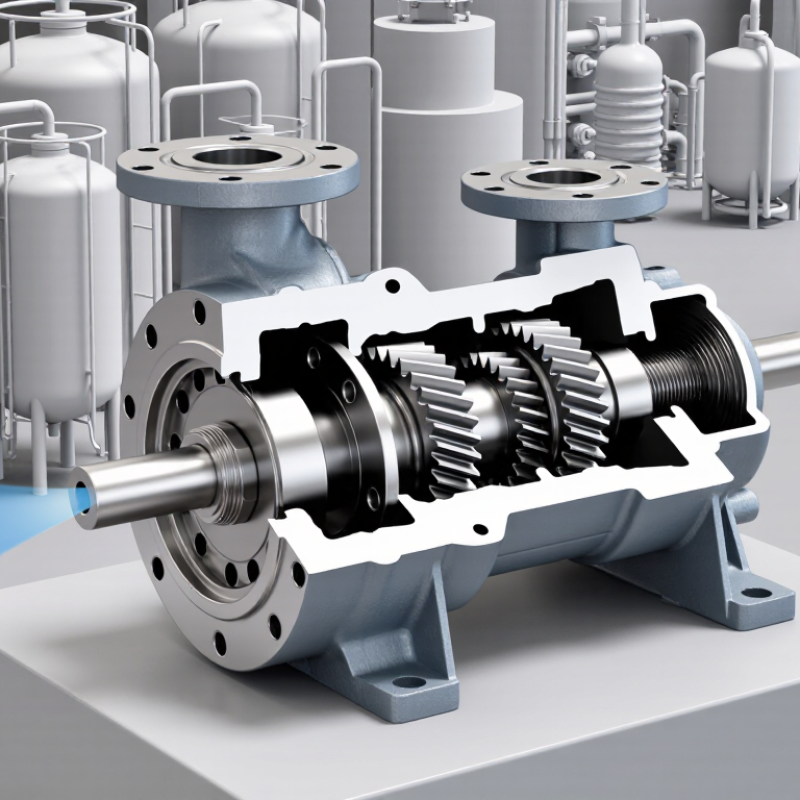
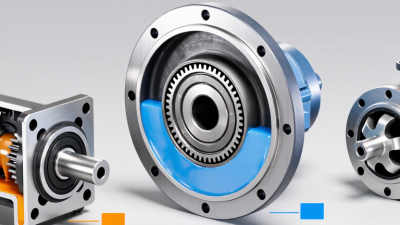
Choosing the gear pump type starts with the fluid, not the catalog photo. External gear pumps are often compact and straightforward for steady, general-purpose transfer. Internal gear pumps can be a better fit for thicker fluids, especially when flow must remain controlled at lower speeds. Neither choice is automatic. Check viscosity across the expected temperature range, since a fluid that pours easily in a warm workshop may move very slowly on a cold start. Also confirm the required flow, operating pressure, and speed. A pump’s displacement tells only part of the story; actual delivery can fall as pressure and internal leakage rise. Small details matter.

Configuration deserves the same care. Match the shaft and mounting style to the drive, then confirm port size and orientation against the actual pipe layout. A port that faces the wrong direction can force an awkward elbow close to the pump. Verify seal and housing materials against the fluid, and ask whether the system needs a relief valve or dry-run protection. Gear pumps generally dislike running without adequate lubrication. A common mistake is selecting by nominal flow alone. I would double-check that number at the intended speed and pressure, and leave room for startup conditions. There is no neat universal answer. A slightly less compact arrangement may be easier to service, which buyers sometimes overlook.

Match Pump Materials to the Fluid and Environment

Choose pump materials for the fluid’s real composition, not just its general category. Two fluids sold as hydraulic oil may contain different additives and operate at different temperatures. Check compatibility for the gears, casing, and seals separately. Small differences matter. Abrasive particles can score gear teeth and enlarge clearances, reducing efficiency over time. Consider how filtration and routine inspections will control wear.

Corrosive fluids need careful review. Stainless steel can resist many forms of corrosion, but it is not suitable for every chemical or concentration. Seal materials also vary: a seal that performs well in one fluid may swell, harden, or leak in another. Moisture, salt spray, and cleaning chemicals around the pump matter too. The installation environment counts. Temperature changes can affect both material compatibility and clearances, so compare expected operating conditions with the manufacturer’s technical data.

Before ordering, confirm the exact fluid, concentration, temperature range, and any suspended solids with the pump supplier. Ask for compatibility information for each wetted component, including seals and coatings. A chart is useful, not a guarantee. For a costly or critical application, a controlled trial or material review can reveal issues that a broad fluid name may hide. I would not skip that step just to simplify a specification.

7 Best Gear Pump Design Tips for Buyers - Match Pump Materials to the Fluid and Environment

Design Tip Fluid or Service Condition Materials to Consider Buyer’s Check
1. Check chemical compatibility first Water-based, acidic, alkaline, or solvent fluids Select the housing, gears, shaft, and seals for the specific fluid; stainless steel or suitable engineering plastics may be options depending on the chemistry. Confirm fluid composition, concentration, temperature, and exposure time with a compatibility reference or materials specialist.
2. Match seals to the fluid and temperature Oils, fuels, cleaning chemicals, or hot process fluids Elastomer choices may include NBR, FKM, or EPDM, but their suitability depends on the exact fluid and operating conditions. Check seal compatibility and temperature limits; do not assume a seal material that works with one oil or chemical will work with another.
3. Consider corrosion from the environment Outdoor installation, washdown, humid areas, or salt exposure Corrosion-resistant alloys, protective coatings, and compatible fasteners may help; the right choice depends on both the fluid and external exposure. Ask whether the full wetted assembly and external surfaces are suitable—not just the pump casing.
4. Verify viscosity and lubrication needs Thin fluids, viscous oils, or fluids with limited lubricity Material selection should account for wear and lubrication; some designs use hardened or wear-resistant gear surfaces where appropriate. Provide viscosity at operating temperature and confirm the pump is designed for the fluid’s lubricating properties.
5. Account for abrasive particles Fluids containing solids, pigments, or process debris Wear-resistant materials or coatings may reduce wear in suitable applications, but gear pumps generally require solids to be controlled within design limits. Check particle size, hardness, concentration, and filtration requirements; confirm allowable contamination with the pump supplier.
6. Review temperature-related expansion Cold starts, hot fluids, or wide temperature changes Housing, gears, and clearances should be designed for the expected temperature range and thermal expansion of the selected materials. Specify minimum, normal, and maximum fluid and ambient temperatures, including startup conditions.
7. Confirm cleanliness and regulatory requirements Food, pharmaceutical, potable-water, or other controlled service Use materials and surface finishes that meet the applicable requirements for the specific application; seals and ancillary components matter too. Identify the required regulations, cleaning method, and documentation before selecting materials.

Material compatibility depends on the exact fluid formulation, concentration, temperature, pressure, and exposure conditions. Confirm the complete pump and seal-material selection for the intended service before purchase.

Compare Flow Rate, Pressure, Speed, and Efficiency

A gear pump’s rated flow is only a starting point. Compare the required flow at the actual operating speed, not just the catalog maximum. For a fixed-displacement pump, flow generally rises with shaft speed, while internal leakage can reduce delivered flow under pressure. Check the fluid’s viscosity and temperature, too. A warm, thinner oil may slip more through internal clearances. Small details matter.

Pressure ratings need careful interpretation. Confirm both continuous and peak pressure, then allow for startup loads and changing system resistance. A pressure-relief valve can protect the circuit, but it does not make an undersized pump suitable. Watch the inlet conditions as well: restricted suction or cold, viscous fluid can cause noise, poor filling, and premature wear. Measure pressure where the pump actually operates.

Compare speed and efficiency at the same flow, pressure, and fluid temperature. Higher speed may reduce pump size, yet it can increase noise, heat, and wear if the design or inlet supply cannot keep up. Ask for volumetric and mechanical efficiency data at your expected duty point. Then check power demand against the motor’s available capacity. I would not choose from one efficiency figure alone; test data rarely captures every installation’s piping, fluid condition, or operating cycle.

Evaluate Installation, Maintenance, and Total Cost of Ownership

7 Best Gear Pump Design Tips for Buyers

A gear pump can fit a compact skid and still be difficult to install. Check the shaft alignment method, mounting space, and access for tools before approving a layout. Leave room to remove the coupling guard and reach the seal area. Small details matter.

Review the suction line as carefully as the pump itself. Short, generously sized piping can help limit inlet restriction, especially with cold, viscous fluids. Confirm the pump’s operating range against the fluid’s temperature and viscosity; a duty point that looks suitable at room temperature may change in service. Keep pressure protection and suitable filtration in view. Ask how either choice affects flow and maintenance intervals.

Maintenance access affects ownership cost. Can a technician inspect the coupling and replace seals without dismantling nearby equipment? Check the recommended inspection schedule, common wear parts, and expected lead times. Then compare energy use, service labor, and likely downtime—not purchase price alone. A cheaper unit may cost more over years of operation. Yet cost estimates rely on assumptions. Record them, and revisit them after real operating data becomes available. A neat drawing is not proof of an easy repair.

7 Best Gear Pump Design Tips for Buyers

Evaluate installation, maintenance, and total cost of ownership before selecting a pump.

Illustrative five-year cost model in USD for one pump: purchase ($2,400), installation ($800), energy ($6,500), maintenance ($1,800), and downtime allowance ($1,000). These example estimates are not market benchmarks; actual costs depend on operating hours, fluid, pressure, efficiency, service conditions, and local rates. Request duty-specific quotes and verify service access, seal availability, and installation requirements.

Our dedicated sales and support staff are here to help you identify the ideal pump solution for your needs.

Contact Us