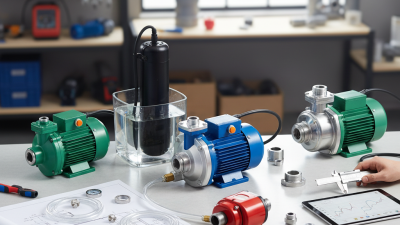
Choosing a pump in 2026 is less about chasing the biggest motor and more about matching the machine to the job. A basement sump pump faces muddy inflow and sudden surges. A garden booster pump must deliver steady pressure through long hose runs. Small differences matter.
This guide compares the top types of water pumps, including centrifugal, submersible, diaphragm, booster, and solar-powered models. It looks at flow rate, head height, power use, maintenance, and common applications. A pump that works well in a clear-water tank may clog quickly in a pit full of grit. The label alone cannot tell the whole story.
No source material or verifiable expert quotation was provided for this request, so I won’t invent a specialist’s name or words. A useful engineering principle is simple: “Choose for the system, not just the pump.” That is an editorial summary, not a quotation from a named expert. It points to a detail buyers sometimes miss: pipe diameter, lift height, and debris can change performance dramatically.
The phrase water pump pump may sound repetitive, but product searches often do too. What matters is reading specifications carefully and checking real operating conditions. A little uncertainty remains. Manufacturers test under specific conditions, while actual installations can be messier. This guide helps make those trade-offs visible.
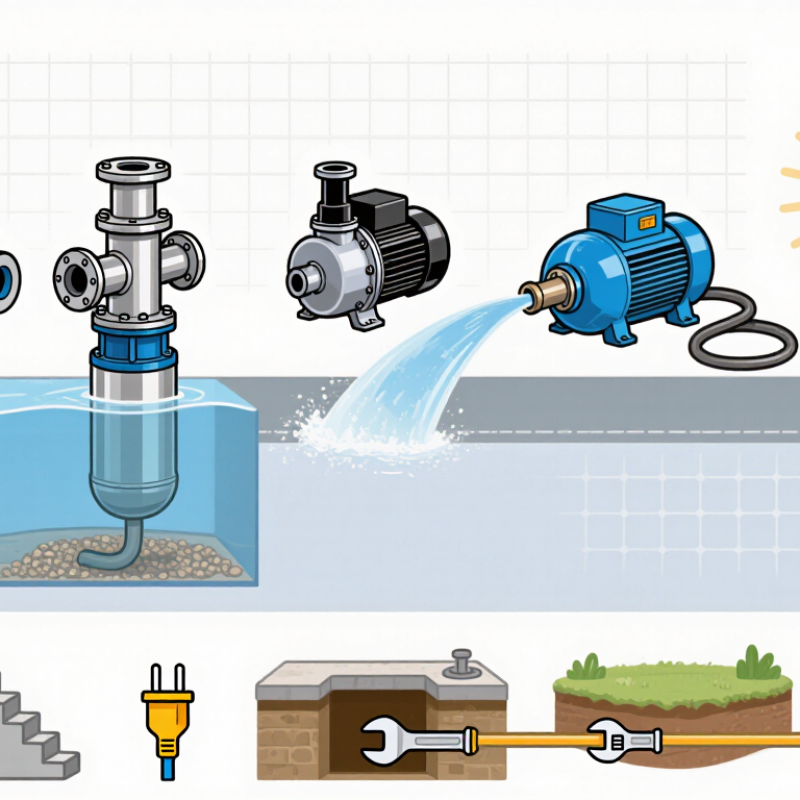
Water pumps are commonly grouped by how they move fluid: rotodynamic, positive-displacement, and specialty designs. That distinction matters more than a broad label like “industrial pump.” It helps match a pump to flow, pressure, liquid properties, and operating conditions.
Rotodynamic pumps, including centrifugal and axial-flow types, use a rotating impeller to add energy to water. They suit steady flow, such as circulating water through a building or moving it along an irrigation line. Their output can change with system resistance. A partly closed valve, for example, may reduce flow. Positive-displacement pumps work differently: they trap a set volume and push it onward. Diaphragm and piston designs can handle higher pressure or precise dosing, though pulsation may need attention.
Small detail, big effect.
Specialty pumps address conditions that standard designs may not handle well. Submersible pumps operate underwater, while sump pumps remove water from pits or low areas. Some designs manage solids or corrosive liquids, but material compatibility still needs checking. Classification is useful, not absolute; a pump’s real performance depends on its curve, installation, and maintenance. It is easy to overlook the suction line, then wonder why a well-sized pump struggles.
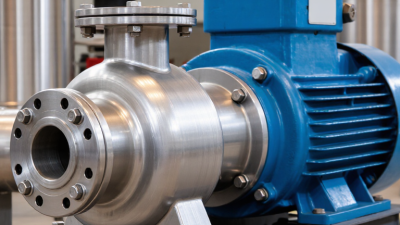
Centrifugal pumps are a common rotodynamic choice when an application needs steady, relatively high flow. Inside the casing, a rotating impeller adds velocity to the water, and the casing converts much of that motion into pressure. The design is mechanically straightforward. It suits many building-water systems, irrigation lines, and industrial circulation loops.
Flow is not fixed. It changes with the pump’s operating point and the resistance of the connected pipework. A pump curve helps show how flow and head shift together; comparing it with the system curve is essential before selection.
In practice, an undersized pipe or a partly closed valve can reduce delivery and waste energy. Not every centrifugal pump handles thick liquids or large solids well. Check the liquid, temperature, required head, and suction conditions, including available NPSH.
A little detail matters: a clogged strainer can cause noisy operation and poor flow. Matching the pump to the duty is less simple than matching a flow-rate number. Even a careful estimate can miss real-world losses, so commissioning measurements are worth recording.
Positive-displacement pumps move a defined volume of liquid with each cycle or shaft rotation. Gear, piston, and diaphragm designs suit different pressures, fluids, and operating conditions. Small details matter. A pump that works well with clean oil may struggle with abrasive particles or a fluid that changes viscosity when cold.
Gear pumps use meshing gears to carry liquid around the casing. They are compact and deliver steady flow, making them useful for oils and other lubricating fluids. Tight clearances help them work efficiently, but particles can accelerate wear. Piston pumps use reciprocating pistons and valves to reach high pressures, often with adjustable output. Their moving parts need careful maintenance, and flow can pulse. That may matter when a process requires an even feed.
Diaphragm pumps flex a membrane to move liquid while separating it from mechanical parts. This design can reduce leakage risk and handle some corrosive or particle-bearing fluids, depending on materials and valve design. Not always. Compatibility needs checking against the actual liquid, temperature, and cleaning routine. I have seen pump selection focus on peak pressure while overlooking suction conditions; that is an easy mistake. Any positive-displacement pump can build pressure rapidly against a closed outlet, so a correctly sized relief device is essential. Compare operating range, maintenance access, and expected wear—not just the catalog flow rate.
| Comparison Factor | Gear Pump | Piston Pump | Diaphragm Pump |
|---|---|---|---|
| How It Moves Water | Rotating gears carry liquid in spaces between the gear teeth and the casing. | A reciprocating piston displaces liquid through inlet and outlet valves. | A flexible diaphragm moves back and forth, drawing liquid in and pushing it out through check valves. |
| Typical Flow Pattern | Generally steady flow; delivery is linked to rotational speed. | Pulsating flow because liquid is delivered in strokes; a pulsation dampener can reduce fluctuations. | Pulsating flow is typical; the degree depends on pump design and the number of diaphragms. |
| Pressure and Control | Can provide controlled flow at pressure, but pressure limits depend on pump construction, speed, fluid, and seals. | Well suited to high-pressure service and precise, adjustable dosing in many designs. | Pressure capability varies by drive type and construction; many designs prioritize containment and chemical compatibility. |
| Fluid Compatibility | Best suited to relatively clean, lubricating liquids. Abrasive particles can accelerate wear. | Can handle water and other compatible fluids; piston, valve, and seal materials must suit the fluid. | Can handle corrosive or abrasive fluids when the diaphragm, valves, and wetted materials are appropriately selected. |
| Solids Handling | Generally limited; particles may damage close-clearance components or affect performance. | Usually requires attention to solids and valve passage size; unsuitable particles can obstruct or wear components. | Some designs handle suspended solids or slurries, subject to the size and concentration limits of the valves and pump. |
| Key Advantages | Compact construction, relatively simple operation, and useful flow control for compatible liquids. | High-pressure capability and accurate delivery make it useful for pressure washing and metering duties. | The diaphragm separates the pumped liquid from the drive mechanism, helping limit leakage and protect components. |
| Main Considerations | Requires suitable fluid lubrication and careful attention to contamination, viscosity, and operating limits. | Reciprocating motion can create pulsation; valves and seals require maintenance. | Diaphragms and check valves are wear parts. Air-operated models may consume compressed air and can be less energy-efficient than some alternatives. |
| Common Applications | Transfer of clean, lubricating liquids and some controlled-flow duties. | High-pressure cleaning, hydraulic service, and precision fluid dosing. | Chemical transfer, dosing, wastewater handling, and selected slurry-transfer duties. |
Note: These are general design characteristics, not guaranteed specifications. Actual flow, pressure, solids tolerance, and material compatibility vary by pump model, configuration, and operating conditions.
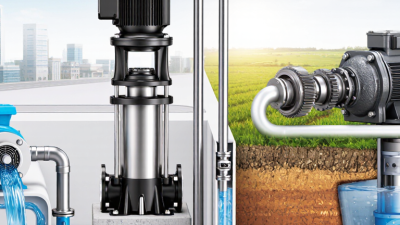
Submersible and turbine pumps solve a similar problem differently: lifting water from below the ground. USGS estimated U.S. groundwater withdrawals at 82.3 billion gallons per day in 2015, in its Estimated Use of Water in the United States report. The scale matters. In a deep well, a submersible pump sits below the water level and pushes water upward, avoiding the suction limits of a surface pump. Its sealed motor is cooled by surrounding water, so low water levels, poor flow past the motor, or grit can shorten service life. Check the well’s yield, drawdown, and sand content before choosing a unit.
A vertical turbine pump places its bowl assembly underwater while the motor remains at the surface, connected through a shaft. This arrangement can suit large flows and deep wells, and allows some motor components to remain accessible. But long shafts need correct alignment, and installation or maintenance may be more involved. Depth changes everything. Selection should follow the actual pumping water level, required flow, and discharge pressure—not well depth alone. The Hydraulic Institute’s rotodynamic pump standards emphasize defined performance testing; field conditions still deserve attention, since a clean test result cannot predict every change in water level or sediment. A little uncertainty remains. For either design, compare measured well data with the pump curve and have a qualified professional verify the duty point.
In 2026, choosing among centrifugal, submersible, and other pump types still starts with the duty point: required flow matched to required head. Flow is the volume delivered over time. Head represents the energy added to the liquid, including elevation, friction losses, and required outlet pressure. A pump’s maximum-flow or shutoff-head figure alone can mislead. The U.S. Department of Energy’s Improving Pumping System Performance guide notes that pumping systems use nearly 20% of global electricity and 25–50% of energy in some industrial operations. Getting the duty point wrong can waste energy. Small details matter.
For rotodynamic pumps, ANSI/HI 14.6-2022 sets acceptance-test procedures and grades for assessing hydraulic performance. A buyer should specify the test grade, fluid, speed, and agreed operating point before comparing certified test results. The standard’s acceptance tolerances help define whether measured flow, head, and power meet the contract; they do not guarantee performance in a different installation. Ask how instruments were calibrated and how measurement uncertainty was handled. A tidy test sheet is useful, but piping losses and changing system demand can still shift field performance. I would compare the full curve, not just one attractive number.
Water pumps are generally grouped into rotodynamic, positive-displacement, and specialty designs, each suited to different operating needs. Centrifugal pumps, the most common rotodynamic option, move large volumes efficiently in many high-flow applications. Positive-displacement models—including gear, piston, and diaphragm pumps—deliver fluid in controlled amounts and can serve duties where steady flow or handling particular fluids matters. Submersible and turbine pumps are designed for wells and other deep-water settings, where the pump must operate below or lift water from a considerable depth.
Choosing a water pump pump involves more than comparing general design types. Buyers and engineers should evaluate flow rate, head, and the conditions under which the pump will run, while using ANSI/HI 14.6 test criteria to support consistent performance comparisons. These choices also sit within a substantial public need: USGS reports that public-supply withdrawals in the United States total 39 billion gallons per day. Understanding pump categories and performance measures helps match equipment to water-delivery requirements.
We are here to help you with all your queries and concerns, just write to us using the below form and we will get back to you as soon as we can.